Buildings and equipment
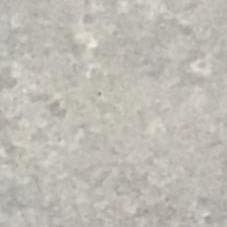
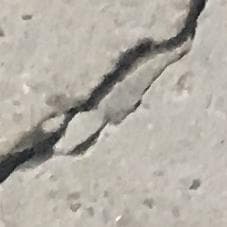
Source: Concrete Crack ImagesNo anomaly
Anomaly detected

AI Visual Inspection Service
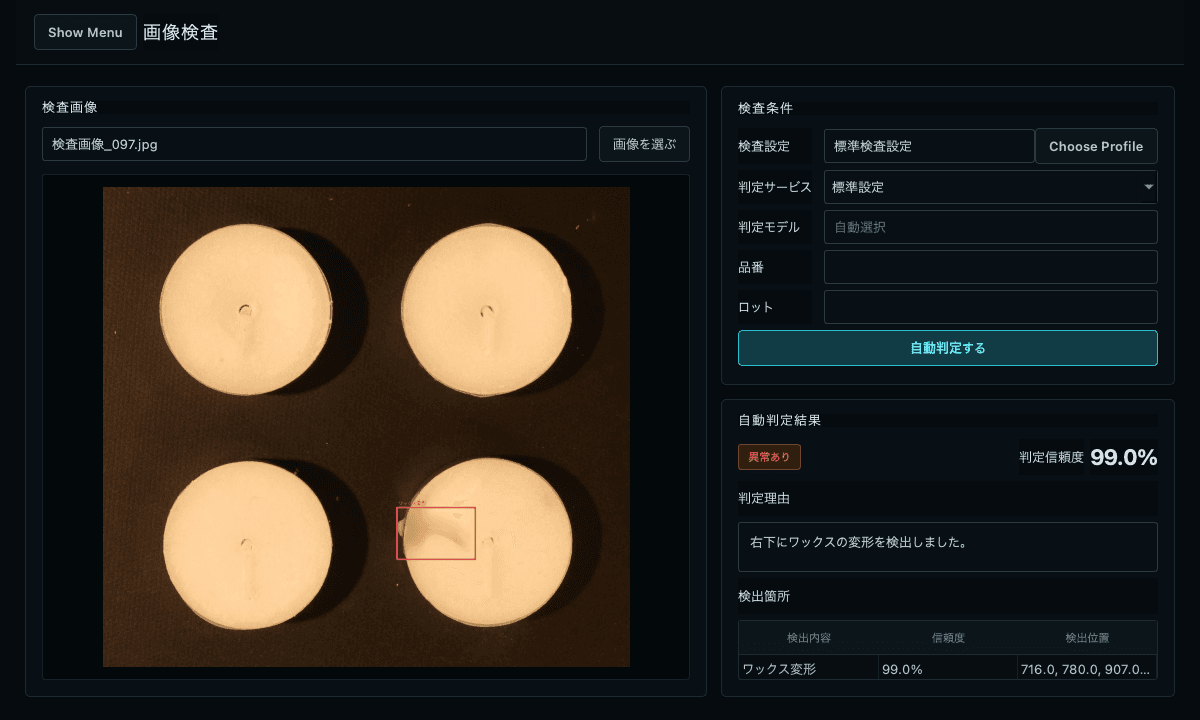
Automatically inspect an image file or a still image captured by a camera. Review the result, reason, and anomaly location on screen.
01 / Overview
Choose an image file or capture a still image with a connected camera. The service evaluates it using settings tailored to the target and shooting conditions, then shows the result, reason, and anomaly location.
Load the still image you want to inspect.
Evaluate it with the configured inspection settings.
See the result together with the reason and location.
Reduce variation between reviewers
Adapt judgment to the target and shooting conditions
See what is anomalous and where
Save inspection results
02 / Examples
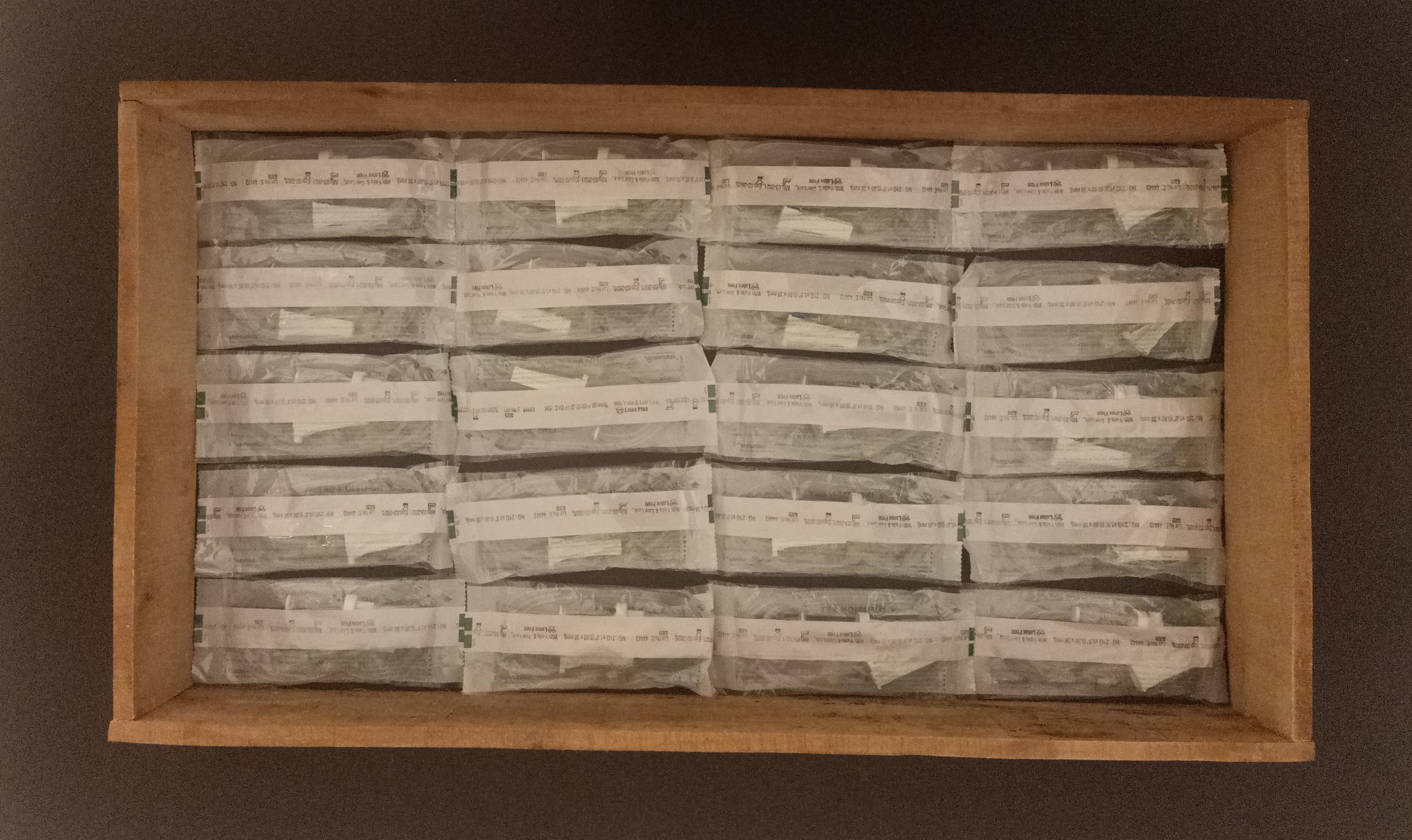
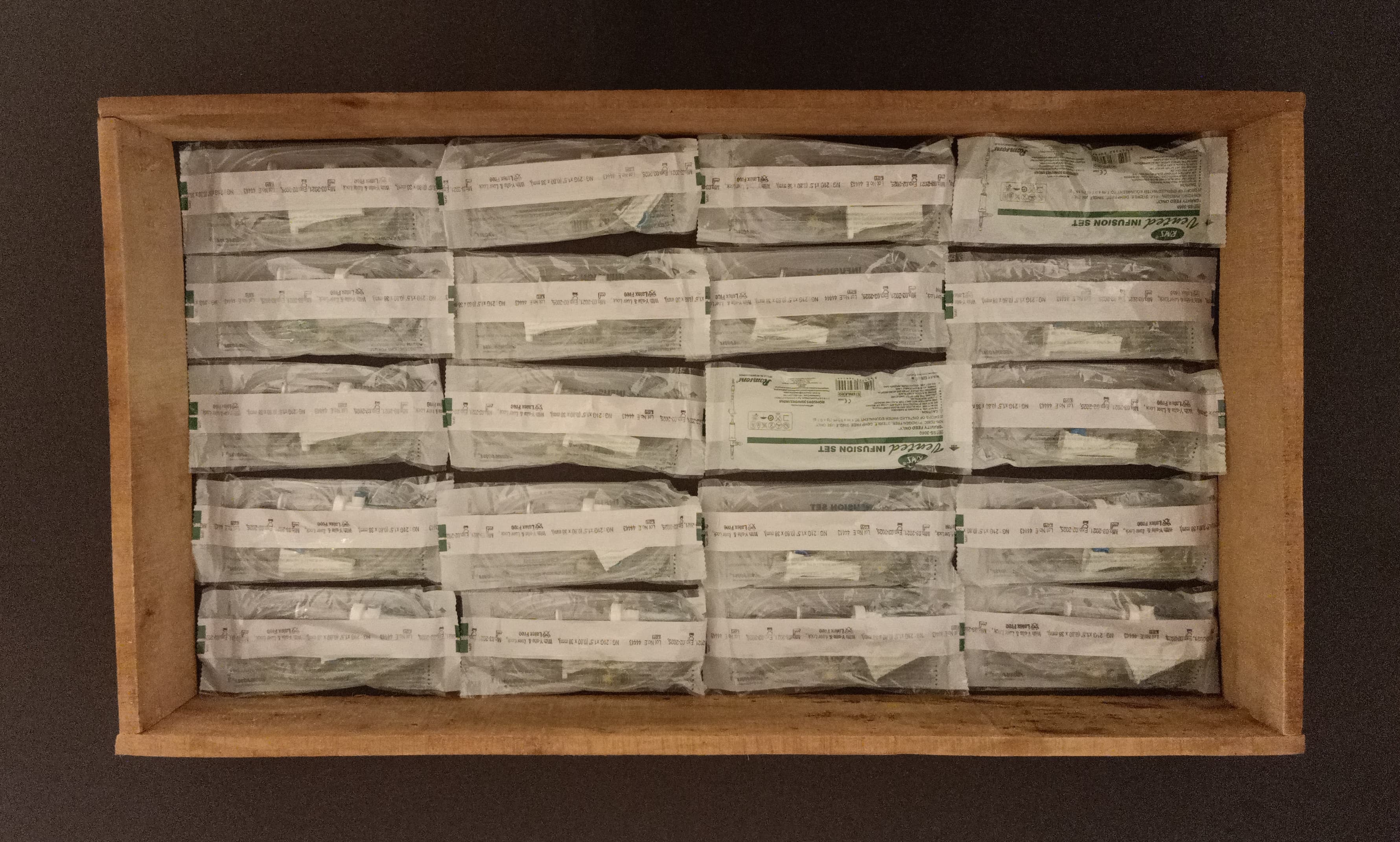
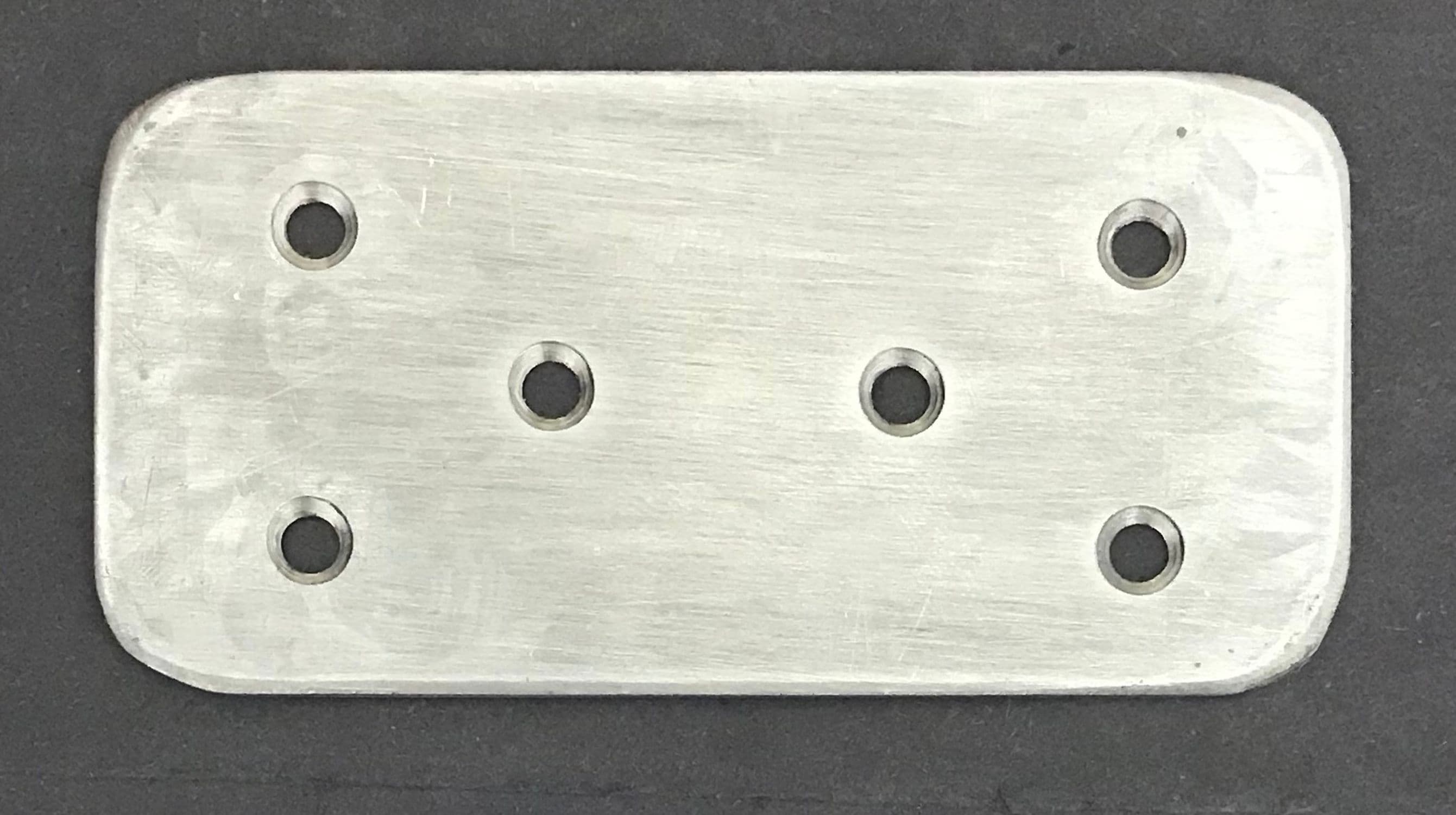
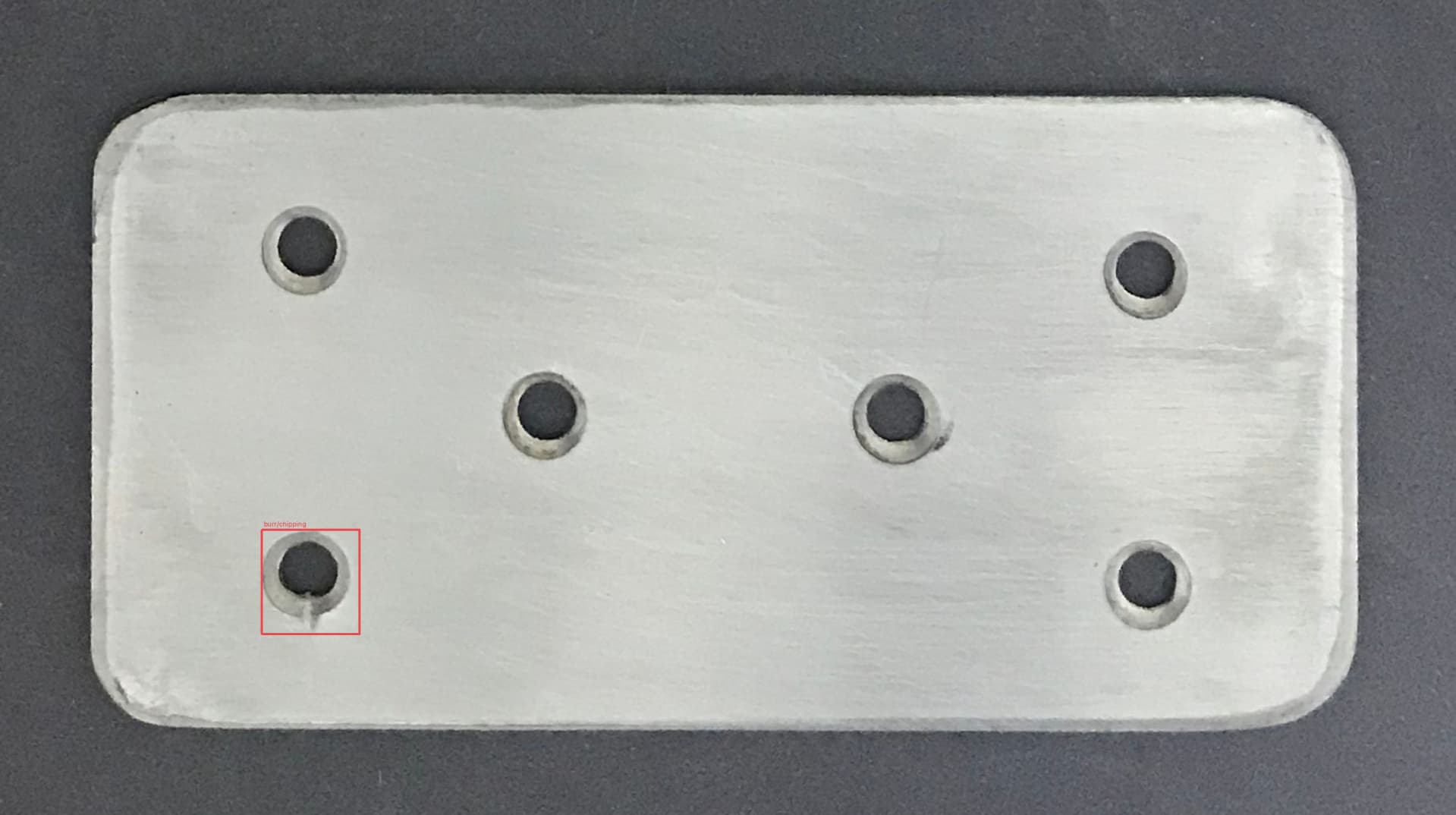
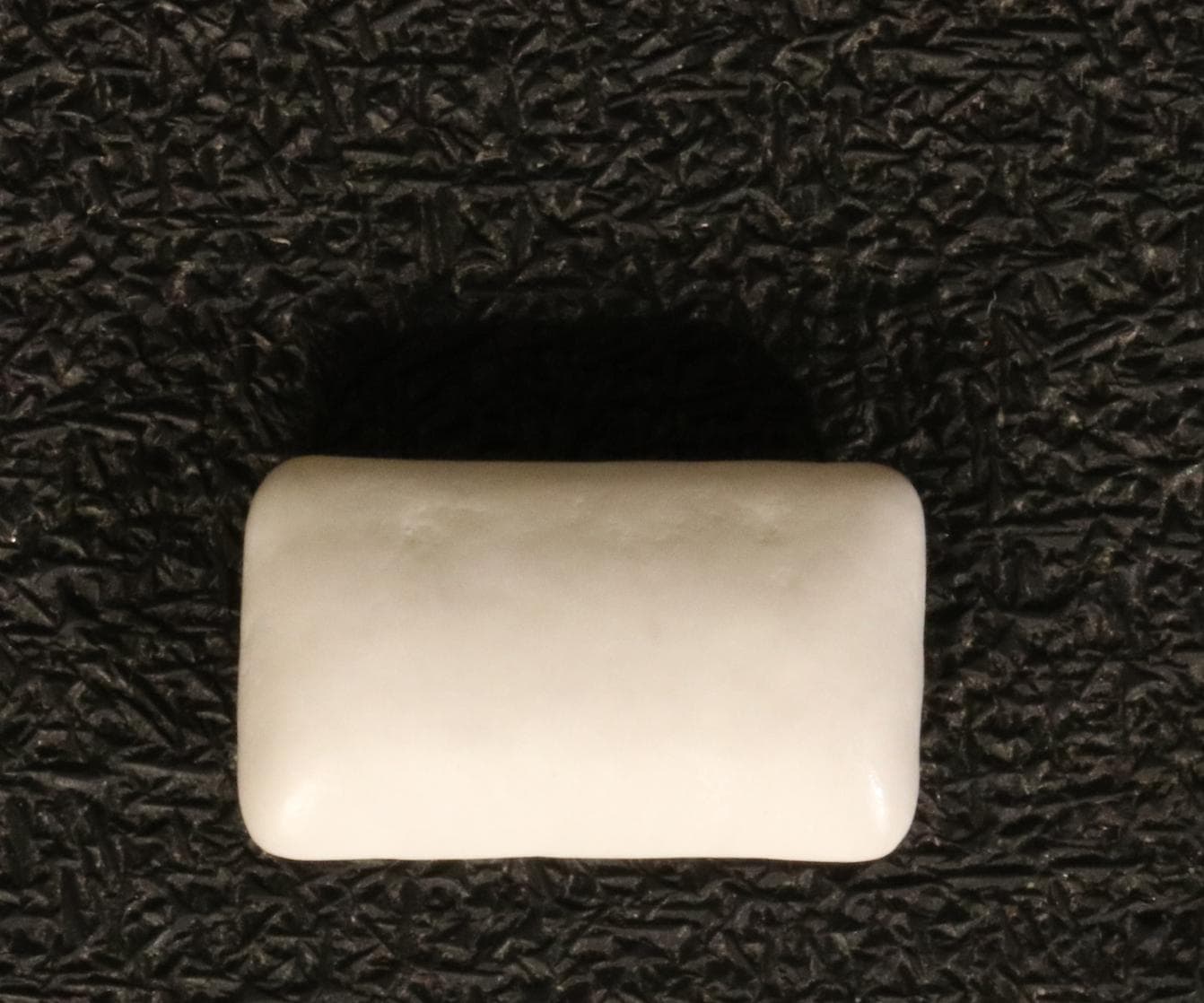
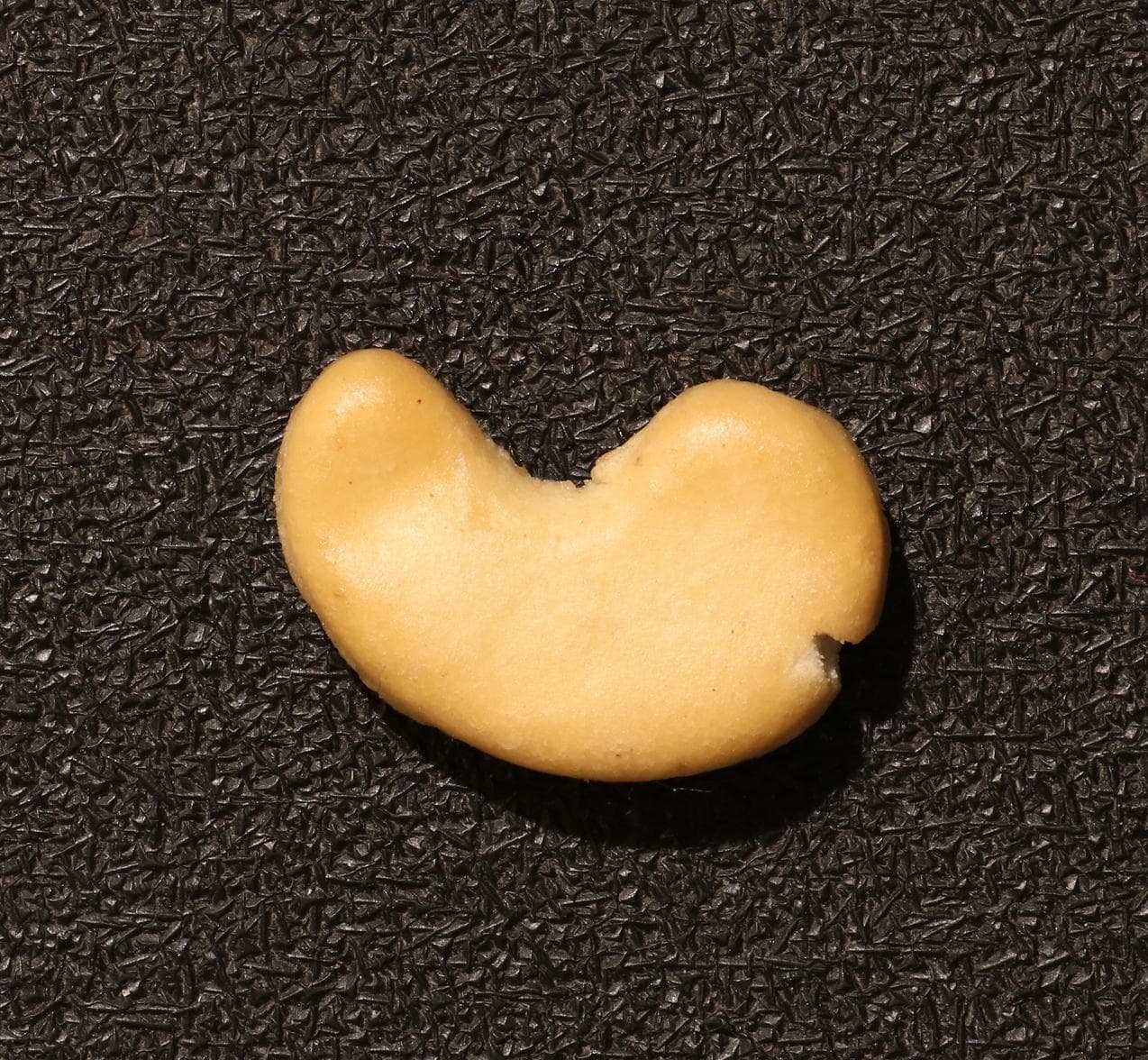
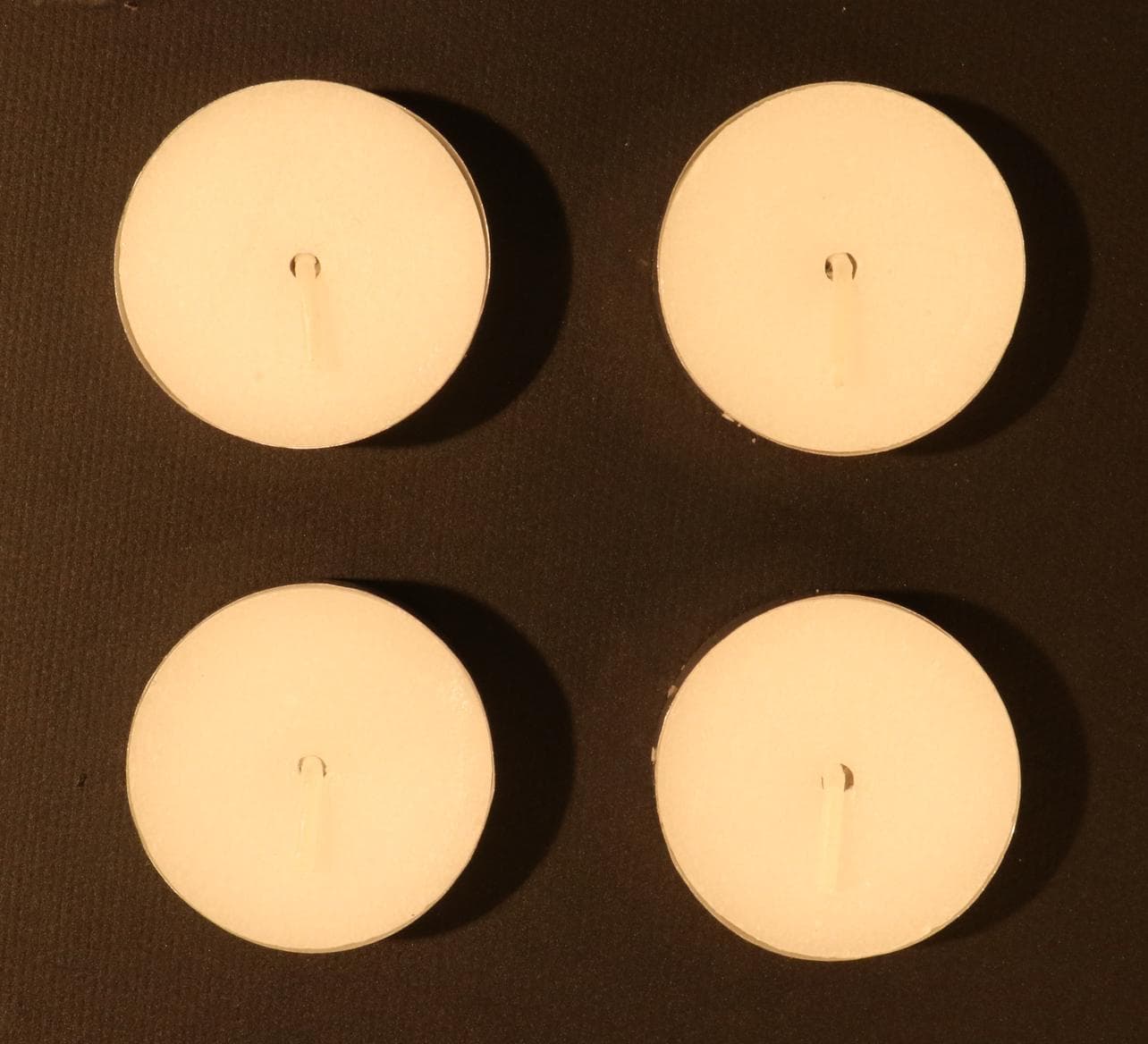
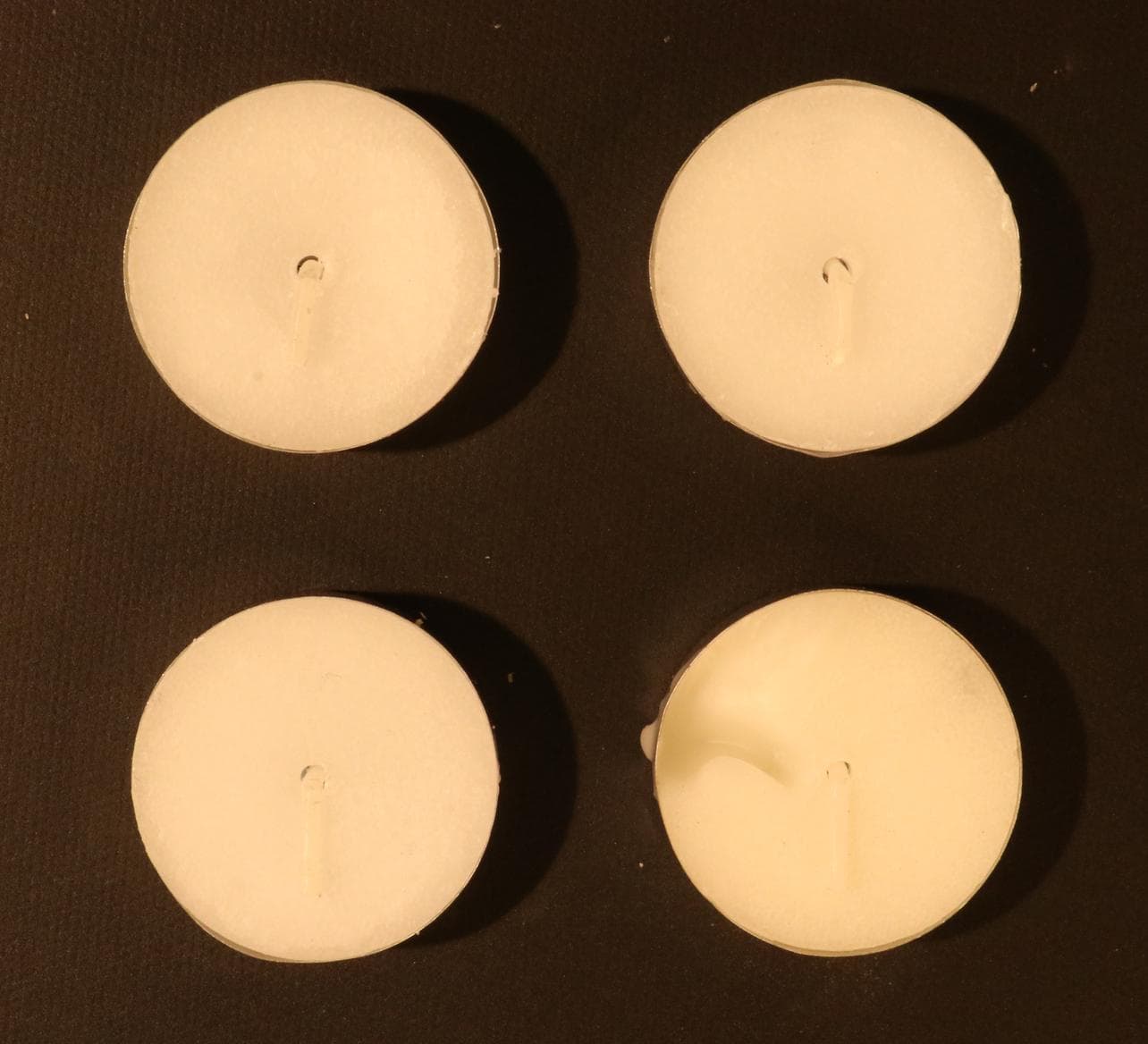
These examples show results produced by this service on public datasets. Each normal and anomalous pair shows the judgment and detected condition. Red boxes indicate anomaly locations output by the service.
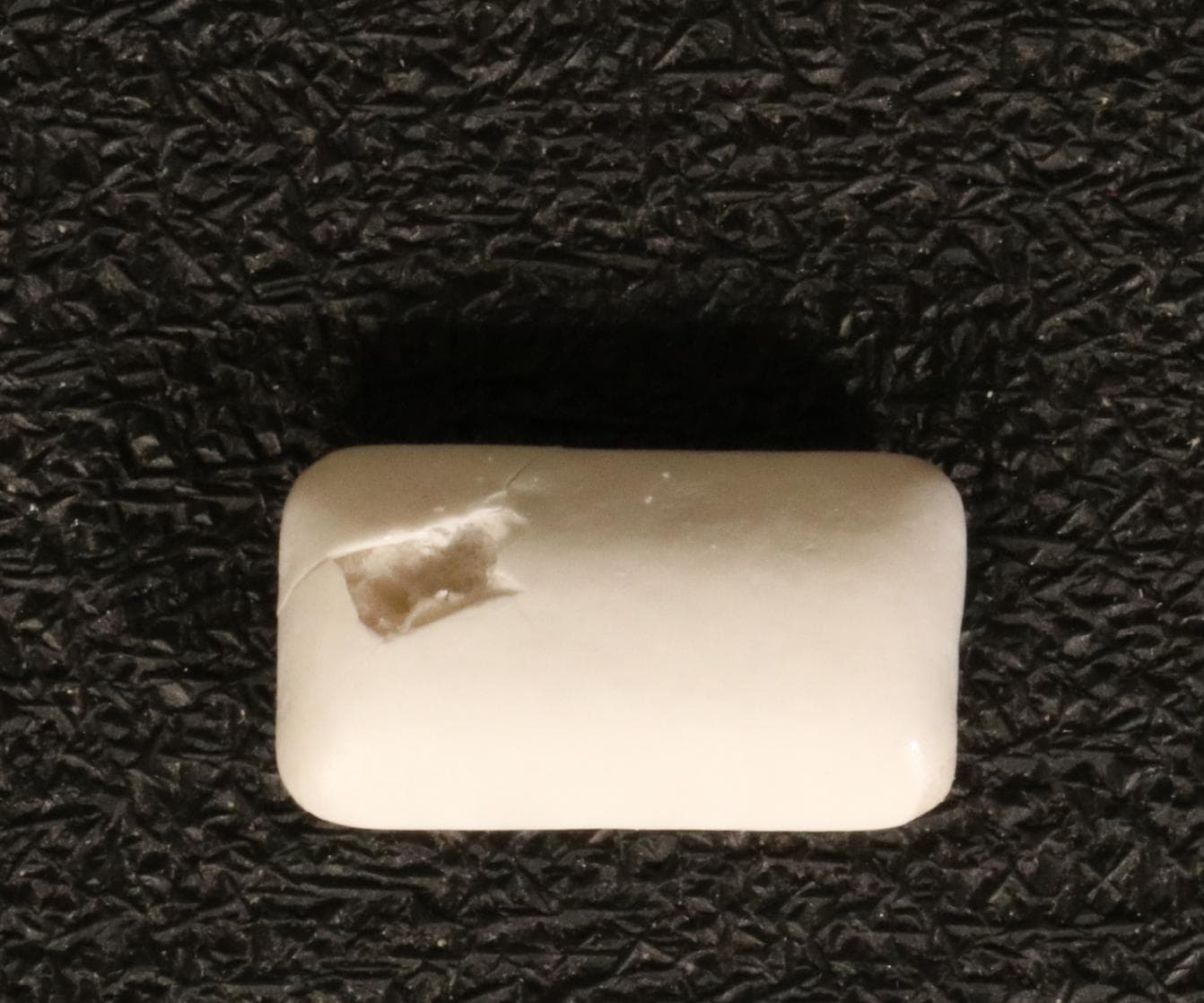
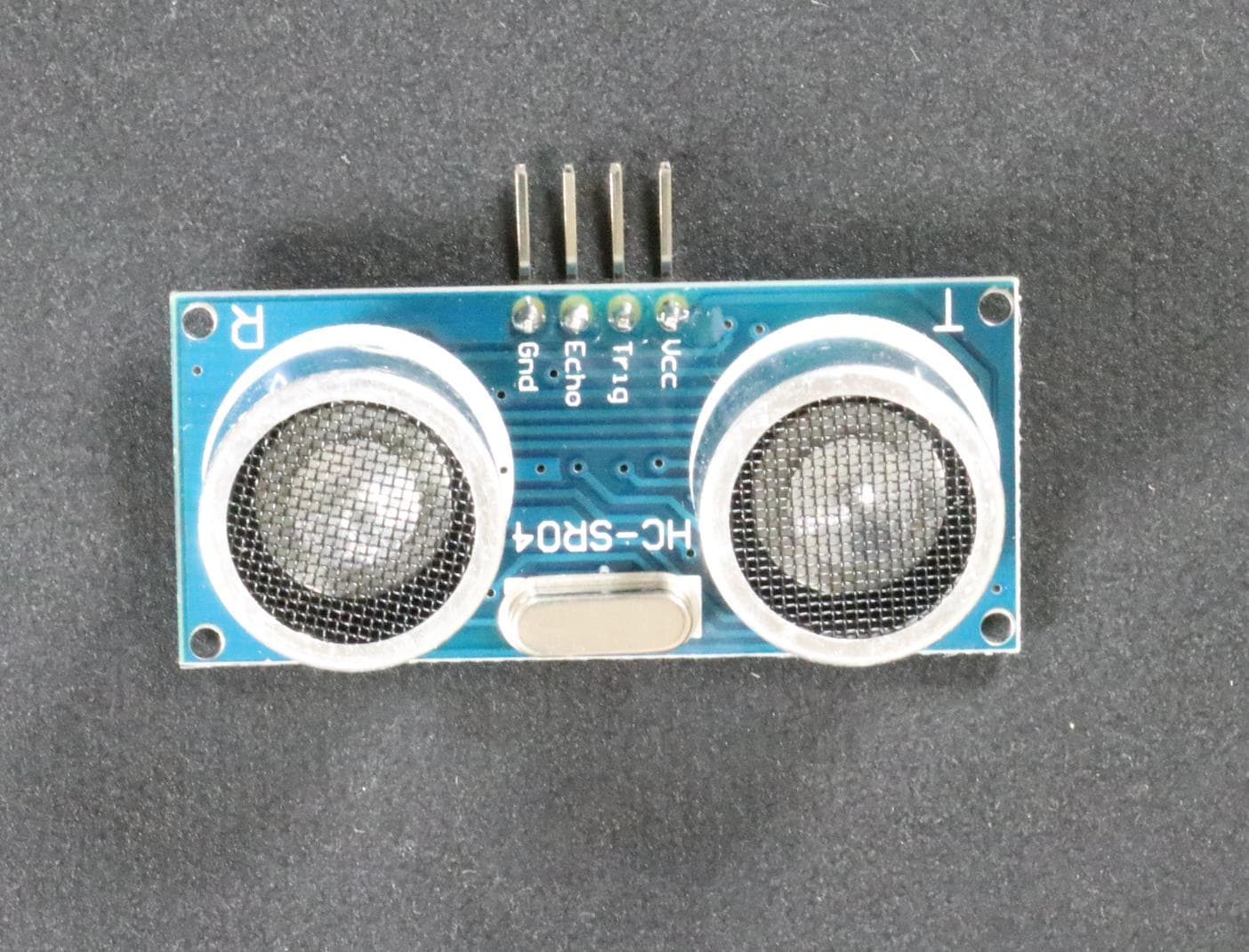
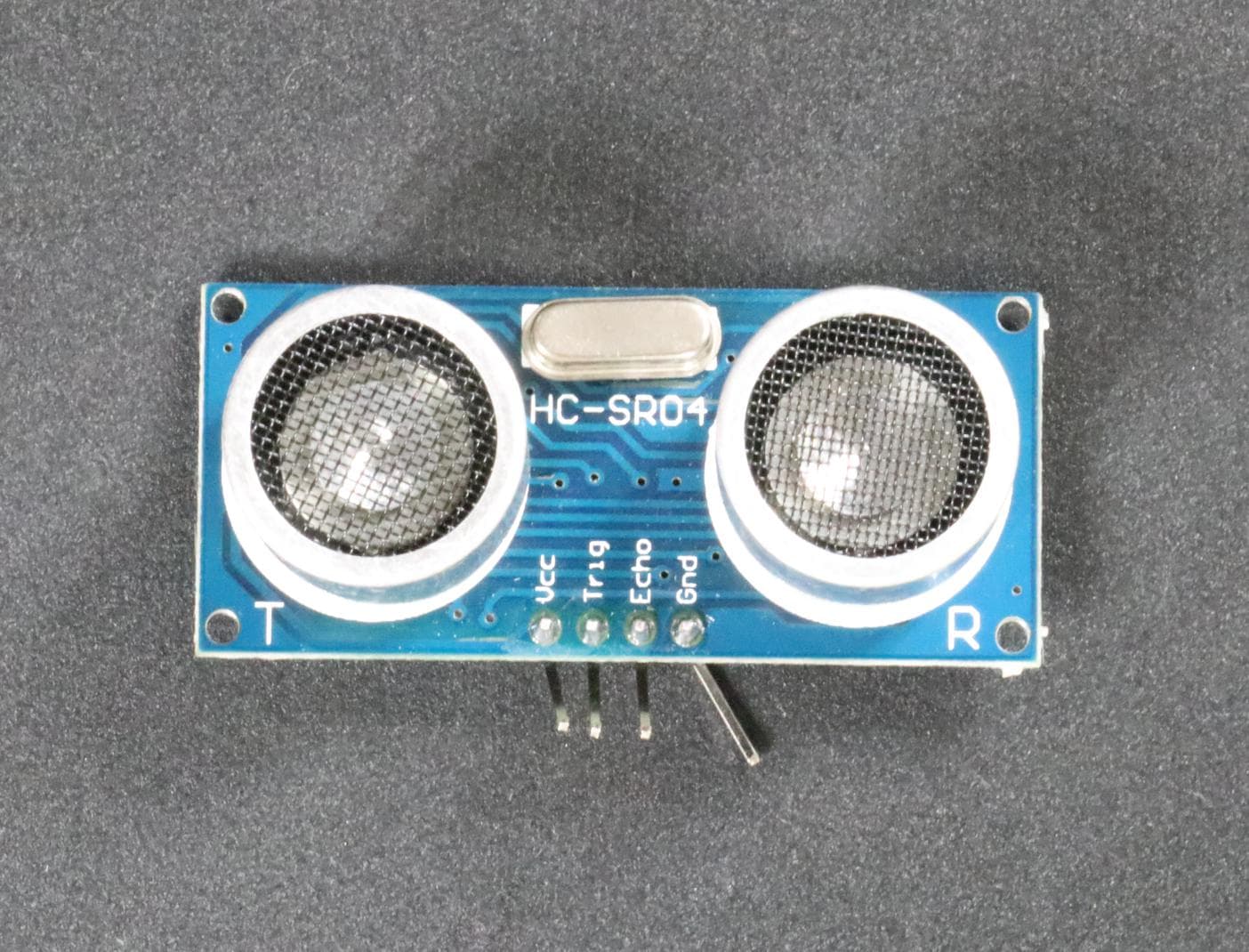
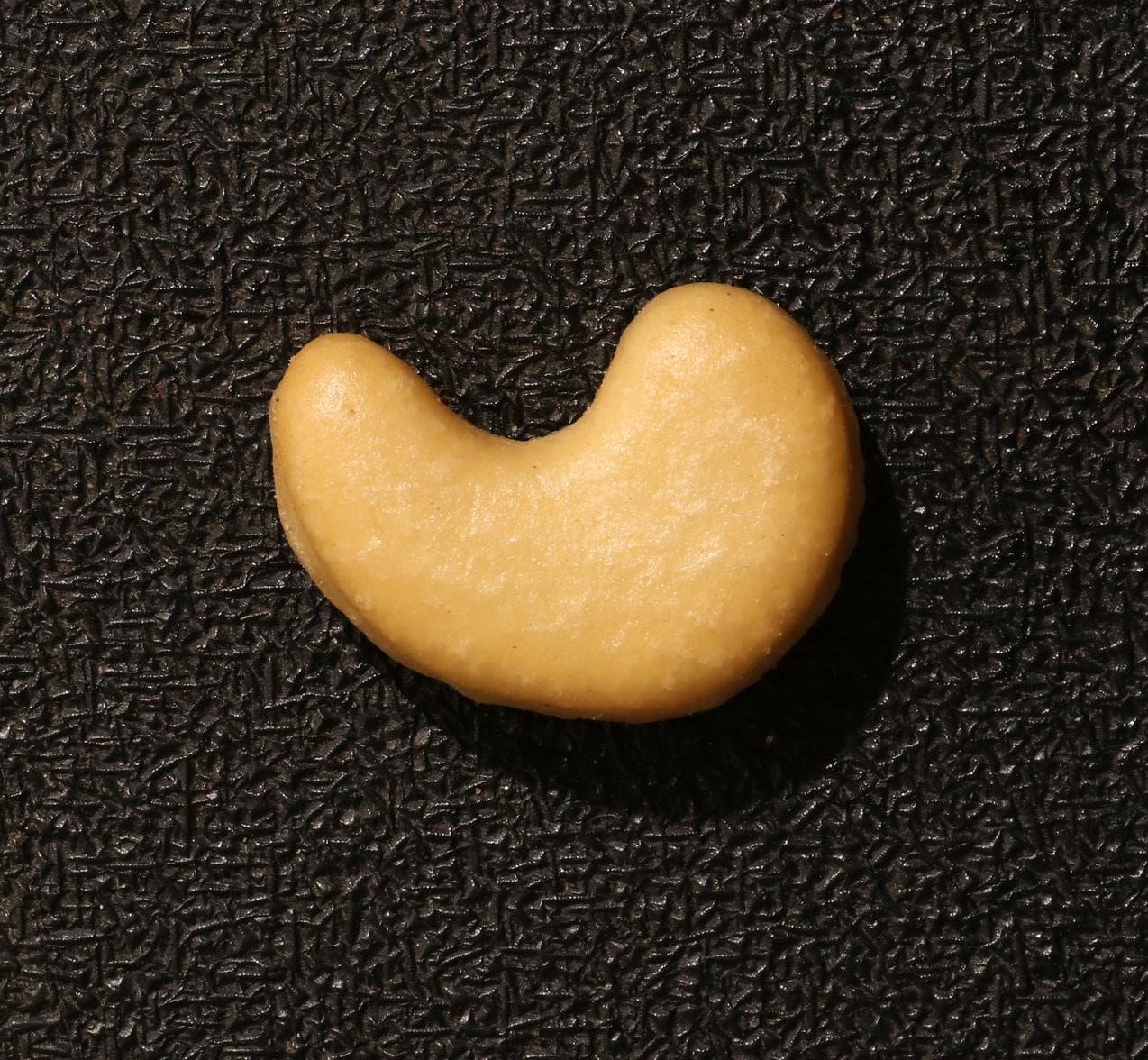
03 / Evaluation
Public datasets combine evaluation images with ground truth. ManmaruAI conducted this evaluation; actual performance varies with the target images and shooting conditions.
| Dataset | Images | Correct | Accuracy | Average judgment time |
|---|---|---|---|---|
| VisA | 480 | 480 | 100.0% | 3.9 sec |
| RobustAD | 60 | 59 | 98.3% | 8.7 sec |
| Concrete Crack | 40 | 37 | 92.5% | 3.0 sec |
| Plastic Bricks | 40 | 34 | 85.0% | 4.7 sec |
Conditions: equal numbers of normal and anomalous images were sampled from each dataset, with two reference images per target. Conducted August 2026.
Judgment time: measured from the start of image-file loading until the result was received. Capture time is excluded. Times vary with network and execution conditions.
Location: calculated only on VisA, which includes pixel-level ground truth. The output box overlapped the ground-truth region in 222 / 240 images (92.5%).
Sources: VisA / RobustAD / Concrete Crack Images / Plastic Bricks Fault Detection (all CC BY 4.0).
04 / Getting started
We review the target images and prepare the inspection settings before use begins. Complex integrations and special shooting conditions are assessed individually.
Share target images and inspection criteria so we can assess applicability.
We adjust inspection and shooting settings; you review the results and workflow.
Begin inspecting still images and refine settings from operating results.
05 / Scope
AI Visual Inspection Service